


Storm Preparedness 101: Flood Protection for Your Home
Updated: Nov 28, 2025
By Empower Resilience – Practical Safety for Real Life
When a storm hits, it doesn’t matter whether you live in a desert city like Phoenix or a coastal community; flooding is one of the most common and costly disasters households face every year. The surprising truth? Many homes are vulnerable even when they don’t sit within designated flood zones.
The good news: most flood damage is preventable with the proper storm preparedness steps, and many of them cost far less than people expect.
This guide walks you through simple, decisive actions that protect your home long before heavy rain, monsoon winds, or fast-moving storms arrive.
What You’ll Learn Today about Storm Preparedness
The most common causes of household flooding
The exact steps to prepare your home for monsoons and severe storms
Practical flood protection tips you can implement today
What to do before, during, and after a storm
How to safeguard your family, documents, and essential equipment

Why Storm Preparedness Matters More Than Ever
Flooding isn’t just about heavy rainfall. It can be triggered by:
Clogged drains and gutters
Rapid monsoon downpours
Improper grading around the home
The roof leaks from wind damage
Blocked or overwhelmed yard drainage systems
Even an inch of water can cause thousands of dollars in damage. Flood waters can
ruin flooring, saturate drywall, damage appliances, damage sentimental items, and in severe cases, the home is temporarily unlivable.
In my years responding to disaster-affected families, the homes that sustained the most damage weren’t always the ones in high-risk zones. They were the ones unprepared for sudden water intrusion; missing weathering strips, missing roof tiles, exposed wiring, missing or damaged window/door framing or sealant.
Quick Tip: Before and After storms check gutters and roof for any damage. If damage is found, make the repairs a priority.
Storm preparedness isn’t paranoia.
It’s protection.
Key Terms to Know
Storm Preparedness – Steps taken before severe weather to reduce risk and protect your household.
Flood Mitigation – Home improvements or actions that prevent or reduce water intrusion.
Monsoon Safety – Precautions specific to sudden, intense storms common in the Southwest regions.
Below you will find helpful information about storm preparations and recommended storm prep tools you can find easily on amazon, links for products included.
1. Start With the Outside: Your First Line of Defense Against Storms and Severe Weather
✔ Clear Gutters & Downspouts
Gutters filled with leaves and debris can’t channel water away.
Cleaning and maintaining your gutters will ward off future issues. The most common problems of clogged gutters include:
Most Common Issues Caused By Clogged Gutters | Foundation Damage & CracksOverflowing gutters dump water directly along the foundation.Over time, this leads to:
Foundation repairs are the most expensive consequence of clogged gutters. | Interior Water DamageWater that spills over near the home can seep into:
This causes stains, mildew, and long-term moisture problems. |
Mold & Mildew GrowthMoisture trapped near the roofline or foundation creates perfect mold conditions. You may see:
Mold remediation is costly and can displace families during cleanup. | Gutter & Fascia DamageWhen clogged gutters fill with water and debris, they get heavy—sometimes weighing hundreds of pounds. This weight can:
| Roof LeaksWhen water can’t drain properly, it backs up under shingles and roofing material, causing:
This is the #1 preventable cause of roof damage. |
Basement & Crawl Space FloodingWater pooled at the foundation can leak into lower home levels and cause:
Even if you don’t have a basement, crawl spaces are highly vulnerable. | Pest InfestationsStanding water + decaying debris attracts:
Pests can then migrate into the home structure. | Landscape ErosionWater cascading off the roof washes out:
This can destroy landscaping and cause uneven erosion around the home. |
Fire Hazard During Dry SeasonsClogged gutters filled with dry leaves or debris become fire fuel, especially in wildfire-prone regions.Wind-blown embers can ignite the debris, putting the roofline at risk. | Ice Dams in Winter ClimatesIn colder states, clogged gutters trap melting snow, leading to:
Even if you live in Arizona, this is good info for national blog content. |
Scary, right?! The thought of any of these issues is enough to make your body tense up and spark a little anxiety. Cleaning gutters on your property helps save the structural integrity of your property and prevents costly repairs.
Quick Tip: Aim downspouts at least 3–6 feet away from your home’s foundation.
Solution Suggestions: Exterior Water Control (Keep Water Away From the House)
Gutter Guards
Stainless steel micro-mesh gutter guards for 5" residential gutters to reduce clogs from leaves and debris, which cuts down roof leaks and overflow near the foundation.
Look for stainless steel micro-mesh gutter guards that fit your existing gutters and can be installed DIY with basic tools.

RAPTOR GUTTER GUARD
48 FT. (Nominal) Contractor Grade Stainless Steel Micro-Mesh Gutter Guard Kit with Screws Included.
Downspout Extensions
Flexible downspout extenders (extend 4–5 feet or more) which will carry water away from the foundation of your home and low-lying areas when setup correctly.

Rain Gutter Downspout Extensions (Flexible)
Down Spout Extender Diverter
Extendable from 21 to 68 in
Screws for Included
Black
✔ Check Your Yard Grading
Water should flow away from your home—not toward it.
If water pools near the foundation after rain, consider:
Adding soil to create a slope
Creating swales or trenches
Installing French drains if necessary
Minor adjustments prevent major problems.
✔ Secure Outdoor Items
Strong winds can move:
Patio furniture
Trash bins
Garden décor
Landscaping tools
These can block drainage pathways or break windows.
Bring them in or anchor them securely.
2. Strengthen the Home’s Exterior From Flood Waters and Rain
✔ Inspect Roof Shingles & Tiles
Cracked or missing shingles = direct path for water intrusion.
A quick visual scan after each storm can prevent expensive interior repairs.
✔ Seal Windows & Doors
Check for:
Worn-out weatherstripping
Gaps around frames
Crumbling caulking
A $10 tube of sealant can prevent hundreds of dollars in water damage.
✔ Install (or Check) Flood Barriers
If your home is prone to flooding, consider:
Sandbags
Water-activated barriers
Flood gates for doorways
Garage flood shields
These temporary defenses buy valuable time during active storms.
Solution Suggestions: Flood Barriers & Sandbag Alternatives (Front-Line Defense)
Water-Activated Flood Barriers/Bags
Water-activated flood barrier tubes or bags (single-use, lightweight until wet), Great for doorways, garage entrances, and low thresholds where water tends to sneak in.
Water-activated flood barriers you can store dry in the garage and throw down in minutes when storms are in the forecast are ideal.
Quick Dam Grab & Go Flood Kit includes 5- 10ft Flood Barriers in Bucket
Reusable Flood Barrier Tubes
Heavy-duty reusable PVC flood barrier tubes you fill with water as a temporary “mini levee.”
3. Protect the Inside of Your Home From Flooding
✔ Move Valuables & Electronics Off the Floor
Especially in:
Ground-level bedrooms
Low-lying living rooms
Garages
Home offices
Use shelves, cabinets, or water-resistant containers.
✔ Use Waterproof Storage for Documents
Keep essential documents:
Birth certificates
Passports
Insurance policies
Property records
Stored in:
A fireproof, waterproof safe
A sealed plastic container (temporary solution)

✔ Elevate Appliances if You Live in a Flood-Prone Area
Placing washers, dryers, water heaters, or HVAC units on elevated platforms can prevent expensive replacements.
4. Monsoon Safety Essentials (Especially for Arizona)
Monsoon storms arrive fast and hit hard.
Key monsoon safety tips:
Stay off roadways when visibility drops
Avoid driving into floodwaters (“Turn Around, Don’t Drown”)
Secure patio umbrellas and loose items daily
Know where your breaker box is located on your property in case of an electrical emergency
Keep a flashlight and battery-powered weather radio accessible
5. Assemble a Storm-Ready Home Kit
Every home should have:
Flashlights + extra batteries
Portable power bank
Battery-powered weather radio
First aid kit
Backup water supply
Waterproof document folder
Plastic sheets + duct tape (temporary leak control)
Storm preparedness begins with being ready inside and outside.
SUGGESTIO

Hand Crank Emergency Radio
NOAA Weather Radio with AM/FM & solar Radio
Rechargeable Battery
Flashlight & Reading Light
SOS Alarm
Compass Cell Phone Charger for Indoor Outdoor Emergencies
6. What To Do During a Storm
Stay inside and away from windows
Unplug electronics to protect from surges
Avoid showers or baths during lightning
Monitor weather alerts
Place towels near vulnerable entry points
If water enters the home, shut off power safely if accessible and dry
7. After the Storm: Quick Recovery Checklist
Document any damage with photos
Contact insurance immediately
Remove wet items within 24 - 48 hours
Open windows to improve ventilation if safe
Check for mold growth in the following days
Refill the emergency supplies you used
A storm ends but the risk doesn’t until the home is dry, safe, and structurally sound.
Final Action Steps (Get Started Today)
Here’s what you can do right now:
Walk around your home and identify any drainage or gutter issues
Check window caulking and door seals
Secure outdoor items before the next storm
Prepare a flood barrier setup you can deploy quickly
Build or refresh your emergency storm kit
Small steps today prevent large disasters tomorrow.
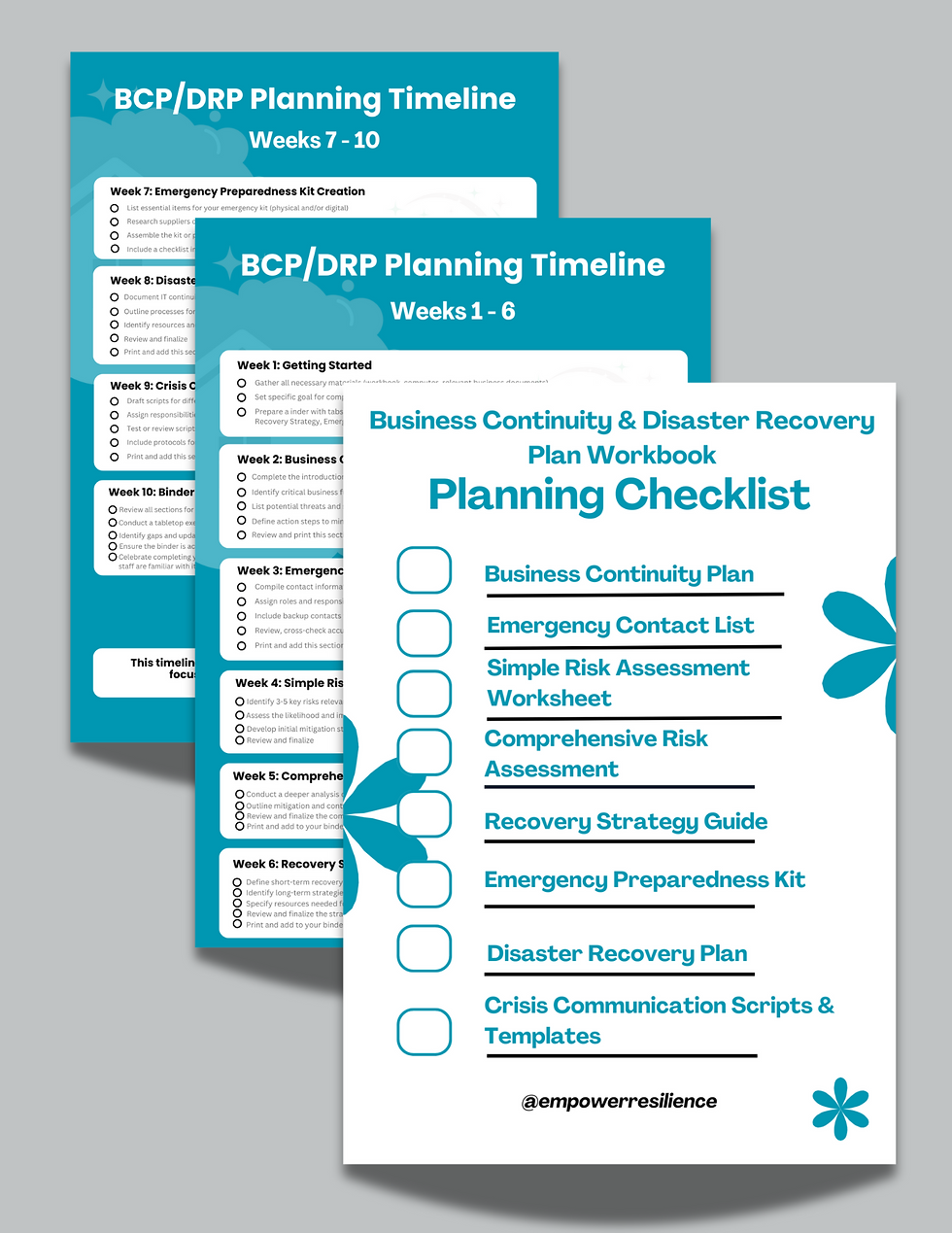
Download Empower Resilience's Free Storm Preparedness Checklist to help you protect your home from flooding and severe weather.
Take a glance at the Storm Preparedness Checklist.




Comments